

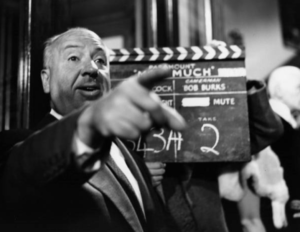
Master of Suspense: The Enduring Legacy of Alfred Hitchcock
In the annals of cinematic history, few names evoke as much intrigue and fascination as Alfred Hitchcock. Known as the “Master of Suspense,” Hitchcock left an indelible mark on the world of filmmaking, captivating audiences with his thrilling narratives, innovative techniques, and iconic style. From his early silent films to his groundbreaking works of the Golden Age of Hollywood, Hitchcock’s influence continues to resonate in the realm of cinema and beyond. In this exploration, we delve into the life, career, and enduring legacy of one of cinema’s greatest auteurs.
Born on August 13, 1899, in Leytonstone, London, Alfred Hitchcock showed an early interest in storytelling and visual arts. After studying engineering and design, he found his true calling in the nascent world of filmmaking, starting as a title card designer and eventually working his way up to become one of the most revered directors of all time. Hitchcock’s early films, such as “The Lodger: A Story of the London Fog” and “Blackmail,” showcased his burgeoning talent for suspense and visual storytelling, laying the groundwork for the iconic works that would follow.
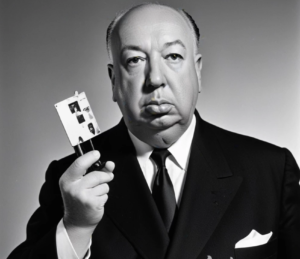
One of Hitchcock’s greatest contributions to cinema was his mastery of suspense, a genre he helped to define and popularize throughout his career. From the iconic shower scene in “Psycho” to the tense rooftop chase in “Vertigo,” Hitchcock’s films are filled with moments of nail-biting tension and heart-pounding excitement that keep audiences on the edge of their seats. Through his innovative use of camera angles, editing techniques, and sound design, Hitchcock created a sense of unease and anticipation that has become synonymous with his name.
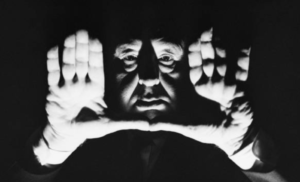
Moreover, Hitchcock was a master of visual storytelling, using composition, lighting, and mise-en-scène to convey meaning, mood, and atmosphere in his films. Whether through the use of stark shadows, dramatic angles, or intricate set design, Hitchcock created a cinematic world that was as visually stunning as it was emotionally resonant. His meticulous attention to detail and his ability to evoke a wide range of emotions through visual imagery set him apart as a true visionary filmmaker.
In addition to his technical prowess, Hitchcock was also a master of storytelling, crafting narratives that were as captivating as they were thought-provoking. His films often explored themes of guilt, obsession, and the dark side of human nature, challenging audiences to confront their own fears and desires. Whether through the psychological complexity of his characters or the moral ambiguity of his plots, Hitchcock pushed the boundaries of cinematic storytelling and paved the way for future generations of filmmakers to explore the depths of the human psyche.
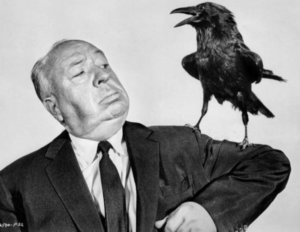
Furthermore, Hitchcock’s influence extended beyond the realm of cinema, as he became a cultural icon and a household name around the world. With his distinctive silhouette, dry wit, and sardonic sense of humor, Hitchcock became a familiar presence in popular culture, appearing in cameos in many of his own films and making regular appearances on television. His anthology series, “Alfred Hitchcock Presents,” further solidified his status as a cultural icon, introducing audiences to a new generation of thrilling stories and unforgettable characters.
Moreover, Hitchcock’s impact on filmmaking can still be felt today, as his techniques and storytelling methods continue to inspire and influence filmmakers around the world. From the suspenseful thrillers of Steven Spielberg and Brian De Palma to the psychological dramas of David Fincher and Christopher Nolan, Hitchcock’s legacy lives on in the works of contemporary filmmakers who have been inspired by his innovative approach to storytelling. His films are studied in film schools and universities around the world, and his name remains synonymous with excellence, creativity, and artistic integrity in the world of cinema.
In conclusion, Alfred Hitchcock stands as one of the greatest directors in the history of cinema, a true visionary whose innovative techniques and compelling narratives continue to captivate audiences decades after their release. From his early silent films to his iconic works of the Golden Age of Hollywood, Hitchcock’s influence on the world of filmmaking is undeniable. As we celebrate the life, career, and enduring legacy of this cinematic legend, let us honor Alfred Hitchcock as the “Master of Suspense” whose contributions to the art of filmmaking will continue to inspire and entertain audiences for generations to come.
