
The world of filmmaking is a captivating tapestry woven with intricate threads of
creativity, technical prowess, and storytelling finesse, where every frame is a
canvas for artistic expression. Central to this endeavor are the tools and
equipment wielded by filmmakers, indispensable instruments that transform
visions into celluloid or digital reality. From the humble beginnings of silent films
to the dazzling spectacles of modern blockbusters, the evolution of filmmaking
equipment has mirrored the relentless march of technological innovation,
empowering filmmakers to push the boundaries of their craft and bring their
imaginations to life with ever-increasing fidelity and sophistication.
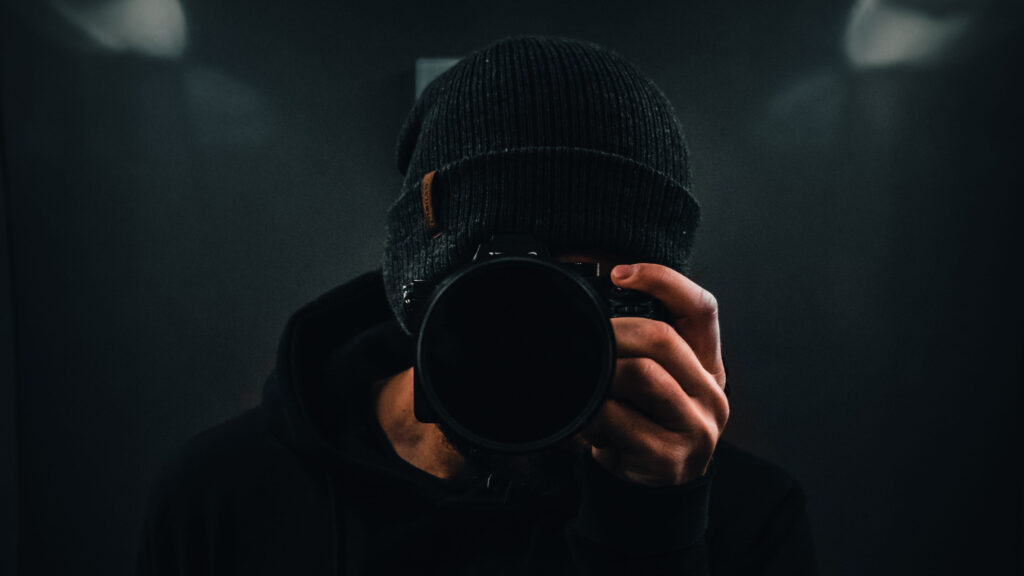
At the heart of any filmmaker’s arsenal lies the camera, the proverbial eye
through which stories are captured and immortalized on screen. From the iconic
handheld cameras of early cinema to the sleek digital behemoths of today, the
evolution of camera technology has been nothing short of revolutionary, offering
filmmakers an unprecedented level of control, flexibility, and image quality.
Whether it’s the compact versatility of DSLRs, the cinematic majesty of cinema
cameras, or the cutting-edge capabilities of virtual production systems,
filmmakers are spoiled for choice when it comes to selecting the perfect tool for
their creative vision. Each camera brings its own unique strengths and
characteristics to the table, allowing filmmakers to tailor their equipment choices
to the specific demands of their projects, whether it’s capturing intimate
character moments, epic action sequences, or breathtaking landscapes with
unparalleled clarity and dynamism.

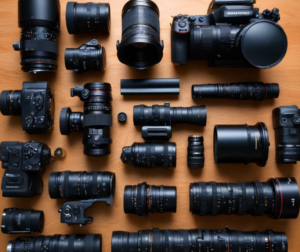
But a camera is only as good as the lenses that adorn its front, serving as the
eyes through which the world is perceived and translated onto the silver screen.
From the wide-angle vistas of landscape photography to the intimate close-ups of
portrait photography, lenses come in a dizzying array of focal lengths, apertures,
and optical designs, each imparting its own distinctive look and feel to the
images they capture. Whether it’s the razor-sharp precision of prime lenses, the
versatility of zoom lenses, or the dreamy bokeh of vintage glass, filmmakers have
access to a vast palette of optical tools with which to paint their cinematic
masterpieces. Moreover, advancements in lens technology, such as aspherical
elements, image stabilization, and autofocus systems, have made it easier than
ever for filmmakers to achieve the perfect shot, even in the most challenging of
shooting conditions.

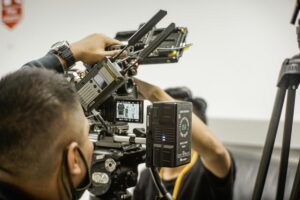
Of course, no camera would be complete without a robust support system to
ensure smooth and steady operation, especially when shooting on location or in
dynamic environments. From the classic elegance of tripod-mounted shots to the
fluid motion of gimbal stabilizers and the adrenaline-fueled chaos of handheld
camerawork, filmmakers have a wide range of options at their disposal when it
comes to camera support and stabilization. Moreover, the advent of drone
technology has opened up new vistas of possibility, allowing filmmakers to
capture breathtaking aerial footage with unprecedented freedom and flexibility.
Whether it’s soaring over majestic landscapes, tracking fast-moving action
sequences, or exploring inaccessible terrain from above, drones offer filmmakers
a bird’s-eye view of the world unlike anything seen before in cinematic history.
But filmmaking is not just about capturing images; it’s also about capturing
sound, the oft-overlooked but essential companion to the visual spectacle. From
the subtle rustle of leaves in the wind to the thunderous roar of explosions,
sound design plays a crucial role in shaping the emotional landscape of a film,
immersing audiences in the rich tapestry of sonic textures that bring a story to
life. As such, filmmakers must equip themselves with high-quality microphones,
recorders, and audio processing tools to ensure that every word, every whisper,
and every scream is captured with pristine clarity and fidelity. Whether it’s the
rugged reliability of shotgun microphones, the nuanced sensitivity of lavalier
microphones, or the immersive realism of surround sound recording techniques,
filmmakers have a wealth of options when it comes to capturing and manipulating
sound in pursuit of their creative vision.
Of course, no filmmaking endeavor would be complete without a robust
post-production workflow to bring all of these disparate elements together into a
cohesive whole. From the painstaking process of editing footage to the
meticulous craft of color grading and visual effects, post-production is where the
raw material of filmmaking is transformed into a polished cinematic gem. To this
end, filmmakers must equip themselves with powerful computers, high-resolution
monitors, and industry-standard software tools to handle the demands of modern
digital filmmaking. Whether it’s the lightning-fast rendering capabilities of
cutting-edge graphics cards, the seamless integration of non-linear editing
software, or the jaw-dropping realism of state-of-the-art visual effects pipelines,
filmmakers have access to a wealth of technology that empowers them to realize
their creative vision with unparalleled precision and fidelity.
In conclusion, the equipment needs of filmmakers are as diverse and varied as
the stories they seek to tell, encompassing a vast array of cameras, lenses,
support systems, audio recording devices, and post-production tools that serve
as the building blocks of cinematic artistry. With each technological
advancement, filmmakers gain new tools and techniques with which to push the
boundaries of their craft and bring their imaginations to life in ever more vivid
and spectacular ways. Yet, for all the dazzling complexity of modern filmmaking
equipment, the true magic lies not in the gear itself but in the hands of the
visionary artists who wield it, transforming pixels and photons into dreams made
real on the silver screen.
