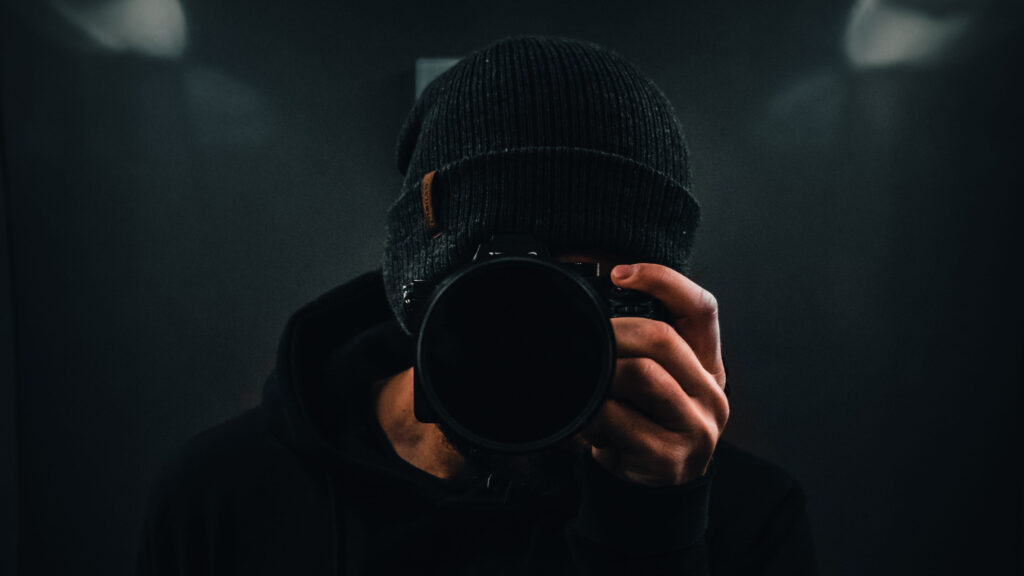

The Power of Film Composition

Film is often referred to as a visual medium, but at its core, it is an intricate symphony of many artistic elements working in harmony. Film composition—the arrangement of visual elements within the frame—is central to delivering a captivating cinematic experience. Each shot in a film serves as a note in a larger melody, where the positioning of actors, props, lighting, and background can create emotional resonances akin to musical compositions. Just as a composer uses melodies and harmonies to evoke feelings, filmmakers harness the principles of composition to guide viewers through a narrative’s emotional landscape. Understanding film composition allows viewers to appreciate the craftsmanship behind their favorite films.
Film Composition
The power of composition: every frame tells a story.
The Essentials of Film Composition
Several fundamental principles underpin the art of film composition. The first is the rule of thirds, a guideline that suggests dividing the frame into a grid of nine equal parts. Key elements should be placed along these lines or their intersections to create a more balanced and engaging image. Another technique is leading lines, drawing the viewer’s eye to focal points through natural lines found within the composition, such as roads or architectural features. Balance and symmetry also play a vital role, where filmmakers can create tension or calmness through the strategic placement of subjects. These techniques not only guide the viewer’s gaze but also evoke emotional responses, subtly shaping the narrative’s impact.
Rule of Thirds
The Rule of Thirds: designing frame with intention.
Color and Lighting in Composition
Color and lighting considerably influence film composition. The use of color can set the mood, create contrast, or unify a scene, allowing filmmakers to elicit specific feelings. For instance, warm hues might evoke nostalgia or comfort, while cooler tones can express melancholy or detachment. Lighting, on the other hand, helps define textures and can dramatically alter the perception of space. High-key lighting is often associated with brightness and positivity, while low-key lighting creates shadows and drama, enhancing tension or mystery. Together, colors and lights can serve as characters themselves, deepening the narrative and drawing audiences further into the story.
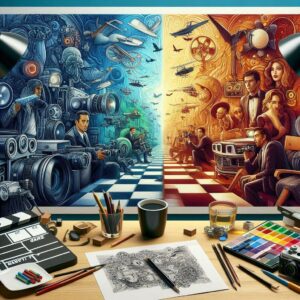
Lighting in Film
Lighting shapes the mood – creating worlds within frames.
Film Composition as a Storytelling Tool
At its essence, film composition transcends mere aesthetic pleasure; it is a powerful storytelling tool. Every decision made within the frame can convey subtext, foreshadowing, or thematic depth. Filmmakers such as Alfred Hitchcock and Andrei Tarkovsky expertly used composition to manipulate time and emotion, often presenting visuals that echoed the internal struggles of their characters. The compositional elements serve not merely as background but as integral parts of the narrative. By understanding these principles, aspiring filmmakers can elevate their storytelling, transforming a simple narrative into a multifaceted experience that resonates deeply with viewers. In this way, film composition becomes a vital symphony that enriches the cinematic experience, captivating audiences and transforming stories into unforgettable experiences.
Storytelling in Film
Every frame is a canvas – storytelling through composition.
By exploring the nuances of film composition, we unravel the profound artistry behind the scenes, empowering both filmmakers and viewers to appreciate the delicate balance between structure and emotion that defines the cinematic experience. Whether through the rule of thirds or the interplay of color and light, the harmony of these elements crafts the symphony that keeps audiences entranced on the silver screen.
