

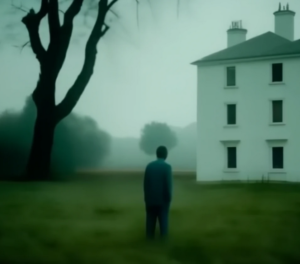
In the captivating world of cinema, few techniques are as powerful and captivating as suspense. It’s that heart-pounding feeling of anticipation, the sense of looming danger, the thrill of the unknown that keeps audiences on the edge of their seats, eagerly awaiting the next twist or turn in the story. Suspenseful screenwriting is an art form that requires precision, pacing, and a deep understanding of human psychology. In this exploration, we delve into the secrets of crafting tension on the page, uncovering the techniques and strategies that make for truly spine-tingling storytelling.
At its core, suspenseful screenwriting is about manipulating the audience’s emotions and expectations, keeping them guessing and second-guessing as the story unfolds. It’s a delicate dance between revelation and concealment, as writers strategically reveal information to keep audiences engaged while withholding enough to maintain a sense of mystery and intrigue. Whether it’s a ticking time bomb, a shadowy figure lurking in the darkness, or a whispered secret waiting to be uncovered, suspenseful screenwriting thrives on the element of surprise and the anticipation of what’s to come.
One of the most effective techniques for creating suspenseful screenwriting is the use of dramatic irony, where the audience knows more than the characters. By revealing information to the audience that the characters are unaware of, writers can create tension and anticipation as audiences watch events unfold with bated breath, waiting for the inevitable moment when the truth comes to light. Whether it’s a protagonist walking into a trap, a villain plotting behind the scenes, or a ticking time bomb hidden in plain sight, dramatic irony keeps audiences engaged and invested in the outcome of the story.
Moreover, suspenseful screenwriting relies heavily on the art of foreshadowing, planting seeds of anticipation early in the story that pay off later on. Whether through subtle hints, cryptic clues, or ominous imagery, foreshadowing creates a sense of inevitability and foreboding, building anticipation and tension as audiences eagerly await the fulfillment of the promise. Whether it’s a character’s offhand remark, a recurring motif, or a seemingly innocuous detail that takes on greater significance later in the story, foreshadowing adds depth and complexity to the narrative, keeping audiences engaged and guessing until the very end.
In addition to dramatic irony and foreshadowing, suspenseful screenwriting relies on the art of pacing, the rhythm and tempo at which the story unfolds. By carefully controlling the flow of information and the timing of reveals, writers can create a rollercoaster ride of emotions, ramping up the tension with each twist and turn in the plot. Whether it’s a slow-burning buildup to a climactic confrontation or a rapid-fire series of shocking revelations, pacing is key to maintaining momentum and keeping audiences on the edge of their seats.
Furthermore, suspenseful screenwriting thrives on the art of misdirection, leading audiences down unexpected paths and subverting their expectations. Whether through red herrings, false leads, or unreliable narrators, writers can keep audiences guessing and second-guessing as they try to unravel the mystery at the heart of the story. By playing with audience perceptions and challenging their assumptions, writers can create a sense of disorientation and unease, heightening the suspense and keeping audiences engaged until the very last frame.
Moreover, suspenseful screenwriting relies on the art of character development, creating complex, multidimensional characters whose motives and intentions are shrouded in mystery. Whether it’s a flawed protagonist struggling with inner demons, a charismatic antagonist with hidden depths, or a supporting character with a dark secret, well-drawn characters add depth and complexity to the narrative, keeping audiences invested in their journey and eager to uncover the truth. By exploring the inner workings of characters’ minds and hearts, writers can create empathy, intrigue, and suspense, drawing audiences deeper into the story and keeping them guessing until the final reveal.
In conclusion, suspenseful screenwriting is an art form that requires precision, pacing, and a deep understanding of human psychology. Whether through the use of dramatic irony, foreshadowing, pacing, misdirection, or character development, writers can create tension and anticipation that keeps audiences on the edge of their seats from beginning to end. As we celebrate the power of suspenseful screenwriting, let us honor the writers who masterfully craft stories that thrill, captivate, and keep us guessing until the very last frame.
